
The Value of Endurance in the Game of Volleyball
Endurance is a critical component of success in the game of volleyball. While technical skills and tactical knowledge are essential, the ability to sustain performance over extended periods can make a significant difference in both individual and team outcomes. Volleyball matches often involve intense rallies, multiple sets, and the need for consistent focus and energy. Developing endurance not only enhances physical performance but also improves mental resilience, enabling players to thrive under pressure.
Physical Endurance: Building Stamina for Performance
Volleyball is a fast-paced sport that requires players to be in constant motion. From diving for saves to jumping for blocks and spikes, every movement demands energy. Physical endurance allows players to maintain their performance levels throughout long matches, especially in tournaments where multiple games are played in a single day. Without adequate endurance, fatigue sets in, leading to slower reactions, decreased accuracy, and a higher likelihood of injuries.
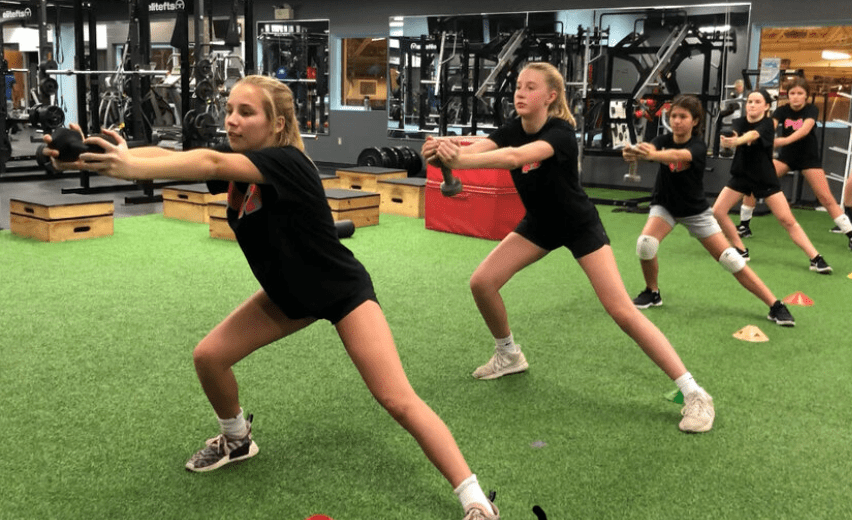
Building physical endurance involves a combination of cardiovascular training, strength conditioning, and sport-specific drills. Players should incorporate activities like running, cycling, and interval training to improve their cardiovascular fitness. Strength training, particularly exercises targeting the legs and core, helps enhance power and stability, which are crucial for volleyball movements. Additionally, practicing game-like scenarios during training sessions helps players adapt to the physical demands of matches.
Mental Endurance: Staying Focused Under Pressure
Endurance in volleyball isn’t just about physical stamina—mental endurance is equally important. Matches can be mentally exhausting, especially when they go into five sets or involve high-pressure situations. Players need the mental toughness to stay focused, make quick decisions, and maintain a positive attitude, even when things aren’t going their way.
Mental endurance can be developed through techniques such as visualization, mindfulness, and goal-setting. Visualization involves mentally rehearsing plays and successful outcomes, which can help boost confidence and reduce anxiety. Mindfulness practices, like deep breathing and meditation, help players stay present and focused during games. Setting small, achievable goals during matches can also keep players motivated and prevent them from feeling overwhelmed.
The Role of Endurance in Team Dynamics
Endurance also plays a vital role in team dynamics. Volleyball is a team sport that requires collaboration and communication. When players are physically and mentally exhausted, communication can break down, leading to errors and missed opportunities. A team with strong endurance can maintain effective communication, support each other, and sustain a high level of play throughout the match.
Teams can build collective endurance by participating in conditioning drills together and fostering a culture of accountability and encouragement. When players see their teammates pushing through fatigue, it motivates them to do the same. This shared commitment to endurance strengthens team bonds and improves overall performance.
Strategies for Improving Endurance in Volleyball
- Interval Training: Incorporate high-intensity interval training (HIIT) to improve both aerobic and anaerobic capacity. HIIT mimics the stop-and-go nature of volleyball, making it an effective way to build endurance.
- Plyometric Exercises: Plyometrics help improve explosive power and endurance. Exercises like box jumps, squat jumps, and burpees can enhance a player’s ability to sustain high-intensity movements during a match.
- Nutrition and Hydration: Proper nutrition and hydration are essential for maintaining energy levels. Players should focus on a balanced diet rich in carbohydrates, proteins, and healthy fats. Staying hydrated before, during, and after matches is crucial to prevent fatigue.
- Recovery Practices: Endurance training can be taxing, so recovery is vital. Stretching, foam rolling, and adequate sleep help players recover and prepare for the next match or training session.
- Mental Conditioning: Incorporate mental conditioning exercises into training routines. Practicing mindfulness, visualization, and stress management techniques can help players build mental endurance.
The Long-Term Benefits of Endurance
Endurance training not only benefits players during matches but also contributes to long-term athletic development. Players with strong endurance are less prone to injuries, recover faster, and can sustain their performance over multiple seasons. Endurance also enhances overall fitness, which can improve a player’s quality of life both on and off the court.
In conclusion, endurance is a fundamental aspect of volleyball that impacts physical performance, mental resilience, and team dynamics. By prioritizing endurance training, players can improve their stamina, focus, and ability to handle the demands of competitive play. Whether it’s powering through a grueling five-set match or staying mentally sharp during critical points, endurance is the key to sustained success in volleyball.
Discover more from Rogue 330 Volleyball Club
Subscribe to get the latest posts sent to your email.
 Rogue 330 Volleyball Club
Leave a comment